



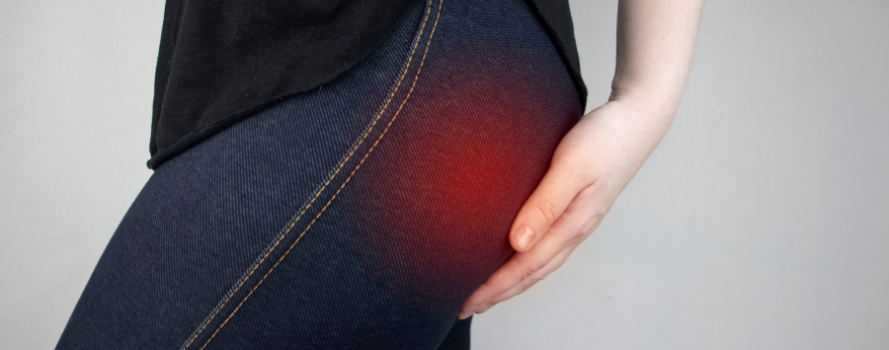
That sharp, shooting pain that starts in your lower back and travels all the way down your leg. The tingling that keeps you up at night. The ache that makes sitting through a work meeting feel almost impossible.
If any of that sounds familiar, there is a good chance you are dealing with sciatica, and you are far from alone. It is one of the most common conditions we see at our clinics in Samford, Ashgrove, and Moorooka. The good news is that with the right physiotherapy approach, most people recover well without needing surgery or long-term medication.
Here is everything you need to know.
What Is Sciatica?
Sciatica is not a diagnosis in itself. It is a term used to describe pain that radiates along the path of the sciatic nerve, which is the longest and widest nerve in the human body. It originates from several nerve roots in the lower lumbar spine (L3 to S3), travels through the buttock, and runs down the back of each leg all the way to the foot.
When this nerve becomes irritated, compressed, or inflamed, you can experience pain, numbness, tingling, or weakness anywhere along its path. The symptoms most commonly affect one side of the body, though in some cases both sides can be involved.
Sciatica is extremely common. Research suggests that up to 40% of people will experience it at some point in their lives, and it is one of the leading causes of work absence in Australia.
What Causes Sciatica?
Sciatica occurs when something compresses or irritates the sciatic nerve. The most common causes include:
Herniated or Bulging Disc
The most frequent cause. When the soft inner material of a spinal disc pushes through its outer casing, it can press directly on the nearby nerve roots that form the sciatic nerve. This is sometimes called a “slipped disc.”
Spinal Stenosis
A narrowing of the spinal canal, most often due to age-related changes in the spine, that reduces the space available for the spinal cord and nerve roots. More common in people over 50.
Piriformis Syndrome
The piriformis is a small muscle deep in the buttock that the sciatic nerve runs beneath (and in some people, directly through). When this muscle becomes tight or goes into spasm, it can compress the sciatic nerve and produce symptoms that closely mimic disc-related sciatica. This is sometimes referred to as “false sciatica” or “pseudo-sciatica.”
Spondylolisthesis
A condition where one vertebra slips forward over the one below it, narrowing the space through which the nerve exits the spine.
Degenerative Disc Disease
As we age, the discs between our vertebrae naturally lose height and hydration. This can cause the spaces where nerve roots exit the spine to narrow, leading to compression and irritation.
- Pregnancy (increased pressure on the sciatic nerve from the growing uterus)
- Sacroiliac joint dysfunction
- Muscle tightness in the lower back and hip flexors
- Prolonged sitting or poor posture over time
- Trauma or injury to the lower back or buttock
Signs and Symptoms of Sciatica
Sciatica can feel different from person to person, but there are some consistent patterns. The most common symptoms include:
- Pain radiating from the lower back through the buttock and down one leg, often described as sharp, shooting, burning, or electric
- Numbness or tingling in the leg, calf, or foot
- Muscle weakness in the affected leg, sometimes making it difficult to lift the foot or stand on tiptoe
- Pain that worsens with sitting, particularly for long periods
- Pain that improves with walking or lying down in certain positions
- A sensation like a “dead leg” or pins and needles that comes and goes
Symptoms are almost always felt on one side of the body. If you are experiencing pain, numbness, or weakness in both legs at the same time, please read the red flag section below.
While most sciatica is not dangerous, there are some symptoms that require immediate assessment by a doctor or emergency department. Please seek urgent care if you experience:
- Numbness or tingling in the groin or inner thighs (“saddle anaesthesia”)
- Loss of bladder or bowel control
- Weakness in both legs simultaneously
- Sciatica following a significant trauma such as a fall or car accident
- Sciatica accompanied by unexplained weight loss or fever
These may be signs of a serious condition called cauda equina syndrome, which requires urgent medical attention.
How Is Sciatica Diagnosed?
At Inline Physio, diagnosis starts with a thorough clinical assessment. Your physiotherapist will take a detailed history of your symptoms, when they started, what makes them better or worse, and how they are affecting your day-to-day life.
A physical examination will assess your posture, spinal range of motion, nerve tension tests (such as the straight leg raise), muscle strength, reflexes, and sensation along the sciatic nerve pathway. In many cases, this is enough to confirm a clinical diagnosis of sciatica and identify the likely cause.
If further investigation is needed, your physiotherapist may refer you for imaging such as an MRI or CT scan, or recommend a review with your GP or a specialist. We work closely with local GPs across Samford, Ashgrove, and Moorooka to ensure you get the right care at the right time.
How Physiotherapy Treats Sciatica
Physiotherapy is considered one of the most effective first-line treatments for sciatica, and for good reason. Unlike medication which only masks the pain, physiotherapy works to address the underlying cause of your nerve irritation while helping your body heal as efficiently as possible.
At Inline Physio, your treatment plan is tailored specifically to you based on the cause and severity of your symptoms. It may include a combination of the following approaches:
Manual Therapy
Hands-on treatment including joint mobilisation of the lumbar spine and sacroiliac joint, soft tissue release of tight muscles in the lower back, buttock, and piriformis, and neural mobilisation techniques that gently encourage the sciatic nerve to move more freely through surrounding tissues. Manual therapy can provide significant pain relief and restore movement in ways that exercise alone cannot.
Targeted Exercise Prescription
Not just any exercises, but the right exercises for your specific presentation. Your physio will prescribe a progressive program that may include nerve gliding exercises to reduce tension along the sciatic nerve, core stability work to support the lumbar spine, hip and gluteal strengthening, and flexibility work for the hamstrings, hip flexors, and piriformis.
Postural and Movement Education
Understanding which positions and movements aggravate your sciatic nerve is a critical part of recovery. Your physiotherapist will guide you through how to sit, stand, sleep, and move in ways that reduce nerve irritation while you heal, and how to gradually return to the activities you love.
Reformer Pilates
For patients who are ready to progress beyond the acute phase, our Reformer Pilates program at Samford is an excellent way to build the deep core stability and hip strength needed to prevent sciatica from returning. Classes are small and guided by a physiotherapist, ensuring every exercise is appropriate for your condition.
Dry Needling
Where muscle tension in the piriformis or surrounding hip musculature is contributing to sciatic nerve compression, advanced dry needling can be a highly effective addition to your treatment plan, helping to release stubborn trigger points and reduce pain quickly.
Should I Rest or Keep Moving?
This is one of the most common questions we hear, and the answer might surprise you. Prolonged bed rest is generally not recommended for sciatica. While it may feel like the right thing to do when you are in pain, too much rest can actually slow your recovery by allowing the muscles around the spine and hip to weaken and stiffen further.
Gentle, appropriate movement is almost always better. The key is knowing which movements help and which ones to avoid, which is exactly where your physiotherapist comes in. Walking on flat ground, gentle stretching, and specific nerve gliding exercises are often beneficial early on, while activities like heavy lifting, prolonged sitting, and high-impact exercise may need to be modified or temporarily avoided.
How Long Does Sciatica Take to Heal?
Recovery time varies depending on the cause, severity, and how long you have had symptoms before seeking treatment. As a general guide:
- Acute sciatica (present for less than 6 weeks) often responds well to physiotherapy within 4 to 8 weeks of consistent treatment
- Subacute sciatica (6 to 12 weeks) typically takes longer but most people still achieve a good outcome with physiotherapy
- Chronic sciatica (more than 12 weeks) requires a more comprehensive approach but physiotherapy remains the recommended first-line treatment before considering surgical options
Starting treatment early gives you the best chance of a faster, more complete recovery. If you have been putting up with sciatic pain for weeks or months, the sooner you come in, the better.
Will I Need Surgery for Sciatica?
The vast majority of people with sciatica do not require surgery. Research consistently shows that most cases of disc-related sciatica improve significantly with conservative management including physiotherapy, with or without a short course of appropriate medication.
Surgery is generally only considered when symptoms are severe, not improving after 6 to 12 weeks of appropriate conservative treatment, or when there are progressive neurological symptoms such as increasing weakness or loss of bladder and bowel control.
If surgery is ever recommended, physiotherapy both before and after the procedure plays an essential role in optimising your outcome and getting you back to full function as quickly as possible.
Tips for Managing Sciatica at Home
While you are waiting for your appointment, or alongside your physiotherapy treatment, these strategies can help manage your symptoms:
1. Find a Comfortable Position
Lying on your back with a pillow under your knees, or on your side with a pillow between your knees, often reduces sciatic nerve tension. Experiment to find what works for you.
2. Keep Gently Moving
Short, frequent walks on flat ground are generally better than long periods of rest or prolonged sitting. Break up sitting time every 30 to 45 minutes.
3. Apply Heat or Ice
Ice packs can help reduce inflammation in the early stages (first 48 to 72 hours). Heat packs can help relax tight muscles around the lower back and buttock, particularly after the initial acute phase.
4. Avoid Aggravating Positions
Deep forward bending, prolonged sitting, and activities that cause your pain to travel further down your leg should generally be avoided or minimised until your symptoms settle.
5. Try Gentle Nerve Gliding
Your physiotherapist can teach you specific nerve mobilisation exercises that gently encourage the sciatic nerve to slide through surrounding tissues. These can be very effective but should only be done after guidance from a qualified physiotherapist, as the wrong technique can aggravate symptoms.
Frequently Asked Questions
Can physiotherapy fix sciatica?
Yes. Physiotherapy is one of the most effective first-line treatments for sciatica. A physiotherapist can identify the underlying cause of your sciatic nerve compression, provide hands-on treatment to reduce pain, and guide you through a targeted exercise program to prevent recurrence. Most people with sciatica recover well without surgery.
What is the difference between sciatica and lower back pain?
Lower back pain stays in the back. Sciatica refers to pain that travels from the lower back down through the buttock and into one leg, following the path of the sciatic nerve. Sciatica is often accompanied by numbness, tingling, or weakness in the leg or foot. You can have both lower back pain and sciatica at the same time.
Do I need a referral or scan before seeing a physio for sciatica?
No referral is needed. You can book directly with us at any time. In many cases, a thorough clinical assessment by your physiotherapist is sufficient to diagnose sciatica and begin treatment. If imaging is required, your physio will advise you and can coordinate with your GP if needed.
Is walking good for sciatica?
Generally yes, gentle walking on flat ground is one of the better activities for sciatica. It promotes circulation, helps maintain movement in the spine and hips, and avoids the prolonged nerve compression that sitting can cause. That said, what helps varies from person to person, and your physiotherapist will give you specific guidance based on your presentation.
Sciatica can be incredibly debilitating, but it does not have to be something you simply put up with. With the right diagnosis and a targeted physiotherapy plan, most people see meaningful improvement within a matter of weeks.
If you are experiencing pain, numbness, or tingling down your leg and are not sure where to start, our team at Inline Physio would love to help. No referral needed, just book online or give your nearest clinic a call.