


Physiotherapist vs Exercise Physiologist: What’s the Difference?
If you’ve ever Googled “should I see a physio or an exercise physiologist?”, you’re not alone. Both professions sit under the allied health umbrella, both involve movement and the human body – and both can appear on a referral from your GP. But they are not the same thing, and choosing the wrong one can mean delayed recovery, unnecessary costs, and a lot of frustration.
This guide cuts through the confusion. We’ll walk you through exactly what each profession does, how their training differs, and – in most clinical situations – why a physiotherapist is the better starting point.
Who Is a Physiotherapist?
A physiotherapist (or “physio”) is a university-qualified, AHPRA-registered clinician trained to assess, diagnose, and treat a wide range of conditions affecting movement, function, and quality of life. In Australia, becoming a physiotherapist requires a minimum of four years of undergraduate study – or a two-year postgraduate Masters following a related degree – covering anatomy, pathology, clinical reasoning, neuroscience, and hands-on clinical placements across hospital and community settings.
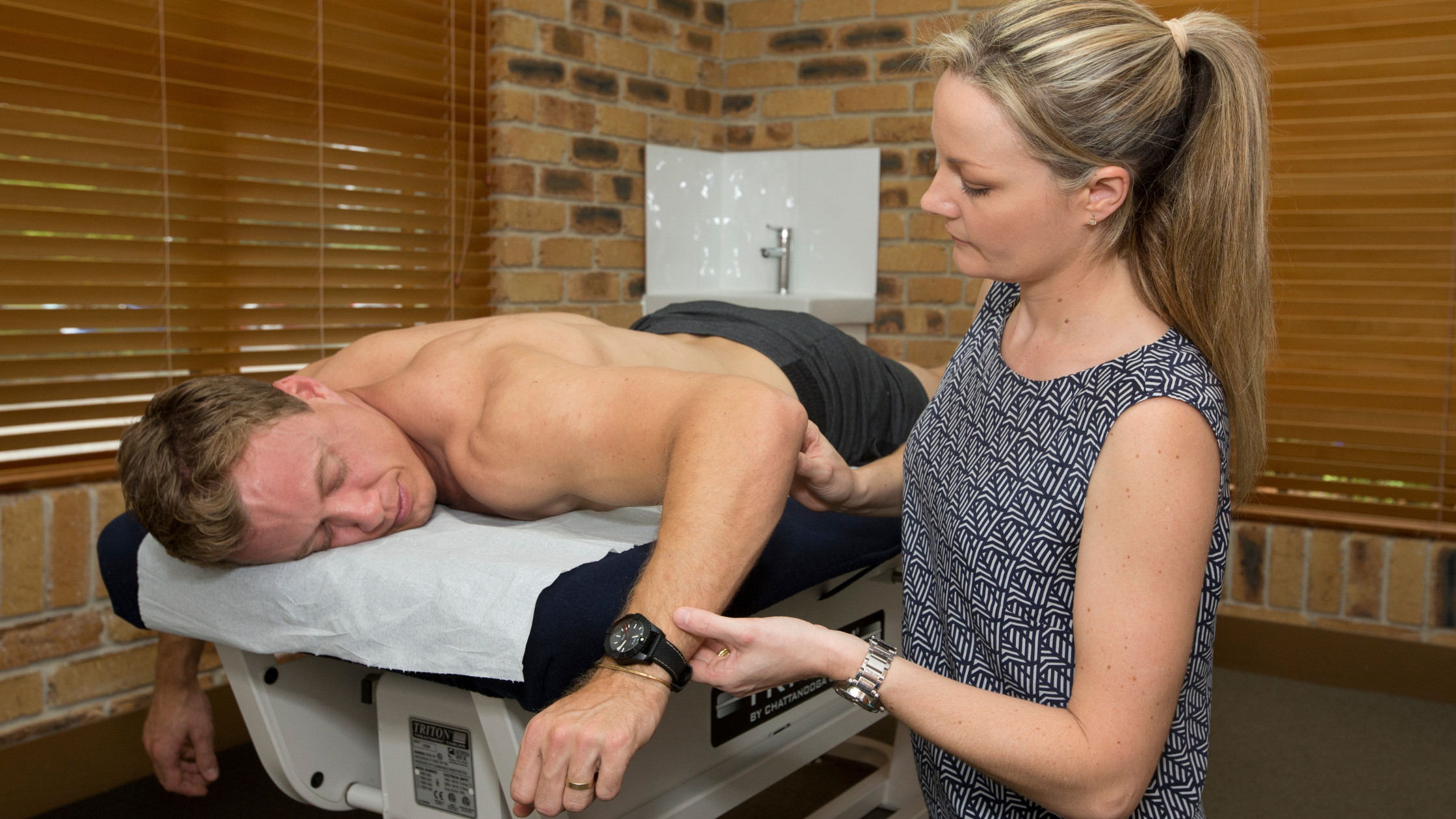
Physiotherapists are trained to work across the full clinical spectrum: musculoskeletal injuries, neurological rehabilitation, post-operative recovery, paediatric conditions, cardiorespiratory illness, pelvic floor dysfunction, and more. Crucially, they are trained in manual therapy – the use of their hands to assess and treat joints, muscles, and soft tissue – which exercise physiologists are not.
What physiotherapists can do:
- Diagnose musculoskeletal injuries and movement disorders
- Perform manual therapy – joint mobilisation, soft tissue release, dry needling
- Design and supervise clinical rehabilitation programs
- Treat post-surgical patients from the earliest stages of recovery
- Manage neurological conditions such as stroke, MS, and Parkinson’s disease
- Prescribe and fit orthotics, braces, and assistive devices
- Work with patients of all ages – from children to older adults
Who Is an Exercise Physiologist?
An Accredited Exercise Physiologist (AEP) is an allied health professional trained to design and deliver exercise programs for people with chronic or complex medical conditions. Their four-year degree focuses on exercise science, physiology, and behaviour change – and they are registered through Exercise & Sports Science Australia (ESSA).
Exercise physiologists play a valuable role in managing conditions like type 2 diabetes, obesity, cardiovascular disease, and mental health disorders through structured, long-term exercise programs. Where they differ markedly from physiotherapists is in their clinical scope – they are not trained to diagnose injuries, perform hands-on treatment, or manage acute or post-surgical presentations.
What exercise physiologists cannot do:
- Diagnose musculoskeletal injuries or clinical conditions
- Perform manual therapy or any hands-on clinical treatment
- Treat acute injuries or manage post-operative recovery
- They are not registered with AHPRA
Side-by-Side Comparison
The table below summarises the most clinically relevant differences between the two professions in Australia.
| Factor | Physiotherapist | Exercise Physiologist |
|---|---|---|
| Regulatory body | AHPRA (protected, statutory) | ESSA (industry body) |
| Can diagnose injuries | ✔ Yes | ✘ No |
| Manual therapy / hands-on treatment | ✔ Yes — core skill | ✘ Not in scope |
| Acute injury management | ✔ Yes | ✘ No |
| Post-surgical rehabilitation | ✔ Yes — from day one | ✘ Limited / late-stage only |
| Neurological rehab (stroke, MS) | ✔ Yes | ✘ No |
| Chronic disease exercise programs | ✔ Yes | ✔ Yes — primary focus |
| Medicare (CDM / EPC plans) | ✔ Yes | ✔ Yes |
| Workers’ Comp & CTP claims | ✔ Yes — primary treater | ✘ Not typically |
| Private health rebates | ✔ Yes (extras) | ✔ Some funds |
5 Reasons to Choose a Physiotherapist First
1. Physios Can Diagnose – Exercise Physiologists Cannot
This is the single most important distinction. When you’re in pain or have sustained an injury, the very first thing you need is an accurate diagnosis. A physiotherapist is trained – and legally permitted – to assess your condition, identify the tissue involved, and determine a clinical diagnosis. An exercise physiologist is not. Starting with an EP when you have an undiagnosed injury means you risk exercising on a structure that needs rest, protection, or medical review.
2. Hands-On Treatment Accelerates Recovery
Manual therapy is a core physiotherapy skill that exercise physiologists simply don’t have. Joint mobilisation, soft tissue release, dry needling, taping, and therapeutic massage are all evidence-supported treatments that can significantly reduce pain and restore function faster than exercise alone. If you have a stiff neck, a locked-up back, a post-surgical knee, or a shoulder that hasn’t moved properly in months – hands-on treatment is frequently the missing piece.
3. Broader Clinical Scope = One Stop for Most People
Physiotherapists are trained across musculoskeletal, neurological, cardiorespiratory, and paediatric domains. In many cases, a physio can also prescribe the exact same exercise programs an EP would – so you get the hands-on treatment and the exercise prescription from the same clinician, in the same session.
4. Physiotherapy Is the Standard of Care for Injuries
When surgeons discharge post-operative patients, when WorkCover insurers approve treatment, when sports medicine doctors refer athletes, they refer to physiotherapists. Physiotherapy is the established, evidence-based standard of care for the rehabilitation of injuries and surgical recovery.
5. AHPRA Registration Means Greater Accountability
Physiotherapists are registered with the Australian Health Practitioner Regulation Agency (AHPRA) — the same body that regulates doctors, nurses, and dentists. This means strict educational standards, mandatory continuing professional development, and a formal complaints process. For patients, this provides an important additional layer of consumer protection.
When Is an Exercise Physiologist the Right Choice?
Exercise physiologists are skilled professionals, and there are situations where their focused expertise is genuinely valuable – often working alongside a physiotherapist as part of a multidisciplinary care team.
Consider seeing an exercise physiologist (often after seeing a physio first) when managing:
- Type 2 diabetes or metabolic syndrome
- Long-term cardiac rehabilitation following a heart attack or cardiac surgery
- Obesity as part of a medically supervised weight management program
- Chronic fatigue syndrome or fibromyalgia
- NDIS-funded exercise supports
- Later-stage cancer rehabilitation
- Mental health conditions where structured exercise is part of the treatment plan
Our recommendation: Even in the conditions above, it’s worth seeing a physiotherapist first if there is any pain, injury, or unresolved physical symptom. Your physio can coordinate with an EP for the exercise component once the clinical picture is clear.
Frequently Asked Questions
Can a physiotherapist do everything an exercise physiologist does?
In most cases, yes. Physiotherapists are trained to prescribe and supervise therapeutic exercise programs for a wide range of conditions – including chronic disease management. An exercise physiologist focuses more exclusively on exercise as therapy, but a physio can typically cover this ground while also providing hands-on clinical treatment.
Are physiotherapy and exercise physiology covered by Medicare?
Both professions can be accessed through a GP Management Plan (Chronic Disease Management plan) for eligible patients, providing up to five subsidised allied health sessions per calendar year. Physiotherapy is also covered under Workers’ Compensation, CTP insurance, and DVA. Check with your GP and health fund for your current entitlements.
I have lower back pain — who should I see?
A physiotherapist is the appropriate first point of contact for lower back pain. They can assess the cause, rule out red flags requiring medical referral, provide hands-on treatment, and design a progressive rehabilitation program. If you’re also managing a chronic condition, an EP may play a complementary role in ongoing strengthening later in your recovery.
Do I need a referral to see a physiotherapist?
No referral needed – you can book directly with us at any time. A referral is only required if you wish to claim Medicare rebates through a Chronic Disease Management plan. For private health insurance, WorkCover, or self-funded appointments, simply book online or call your nearest clinic.
If you’re experiencing pain, recovering from injury or surgery, or simply not sure who to turn to – our experienced team at Inline Physio is here to help. We’ll assess your situation honestly and point you in the right direction.